


80 Years Since Hiroshima: A Warning from History
 Hiroshima, Japan
 Wed, 06 August 2025 Wednesday, 06 August 2025
 History
 3 - 4 minutes
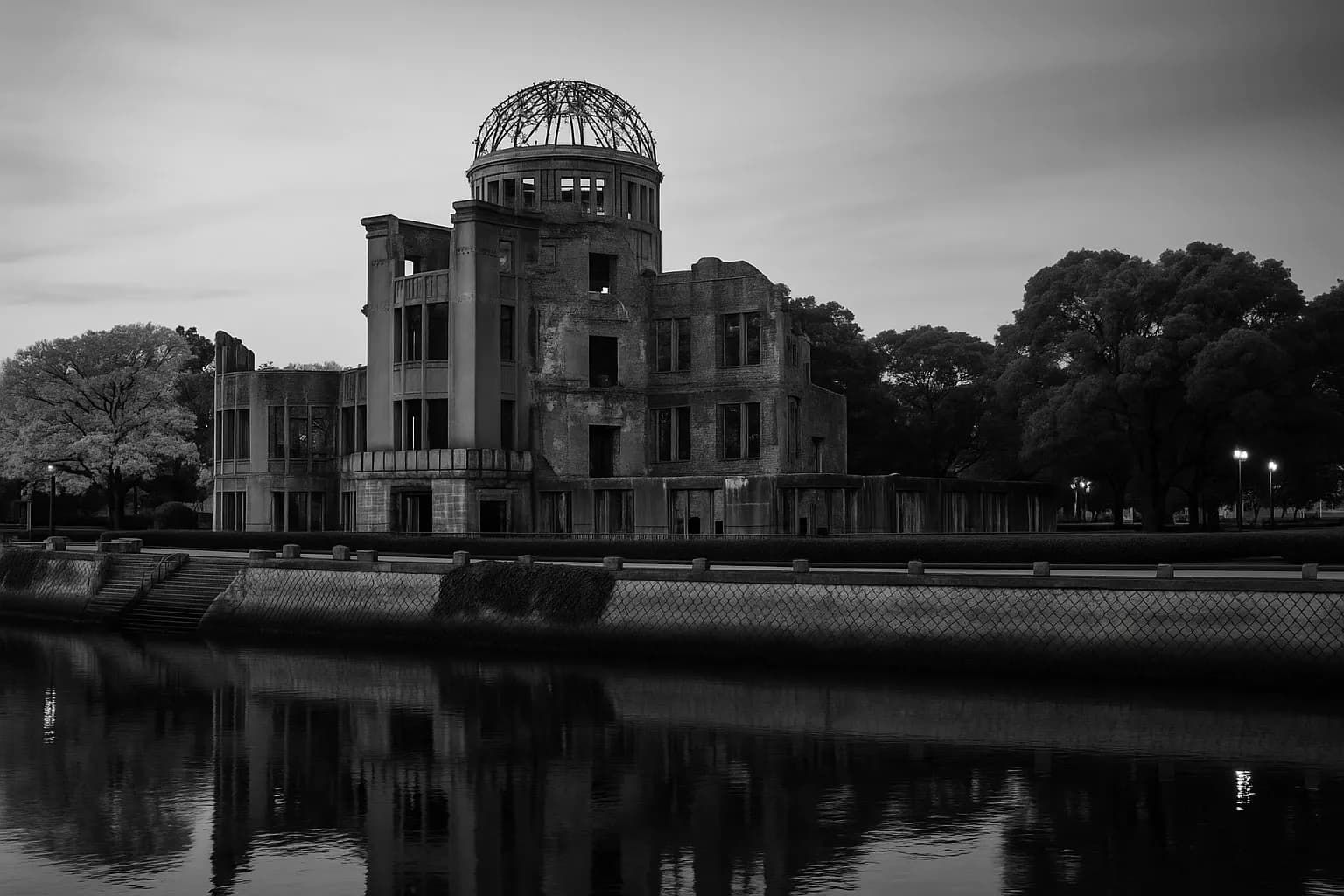
On August 6, 1945, the city of Hiroshima was devastated by the world’s first atomic bombing. Dropped by a US bomber near the end of World War II, the bomb killed tens of thousands instantly and left many more to suffer from radiation sickness, burns, and long-term health effects. In total, over 140,000 people died by the end of that year. Three days later, Nagasaki was bombed, and Japan soon surrendered, bringing the war to a close. But the world had changed forever.
The bombing of Hiroshima marked the beginning of the nuclear age. What followed was a decades-long arms race, with countries building stockpiles of nuclear weapons capable of destroying entire cities in seconds. International treaties, disarmament efforts, and public pressure have all played roles in trying to reduce the threat. However, in recent years, concerns have grown again. As global tensions increase, nuclear powers have begun modernising their arsenals, and the language of nuclear threats has once again returned to international politics.
Eighty years later, Hiroshima stands not only as a rebuilt city but as a symbol of both human resilience and the terrifying cost of nuclear warfare. Its peace museums, memorials, and commemorations serve as reminders of the dangers of these weapons. Yet the risk remains. As new technologies emerge and political alliances shift, the threat of nuclear conflict is far from over. The legacy of Hiroshima is not just a historical lesson, but an urgent call to prevent such destruction from happening again.

This article has
no video, yet!