The Daily ESL

thedailyesl funmoji Latest News Articles thedailyesl funmoji

Radio 2 in the Park 2025: A Three-Day Celebration of Icons and Hits

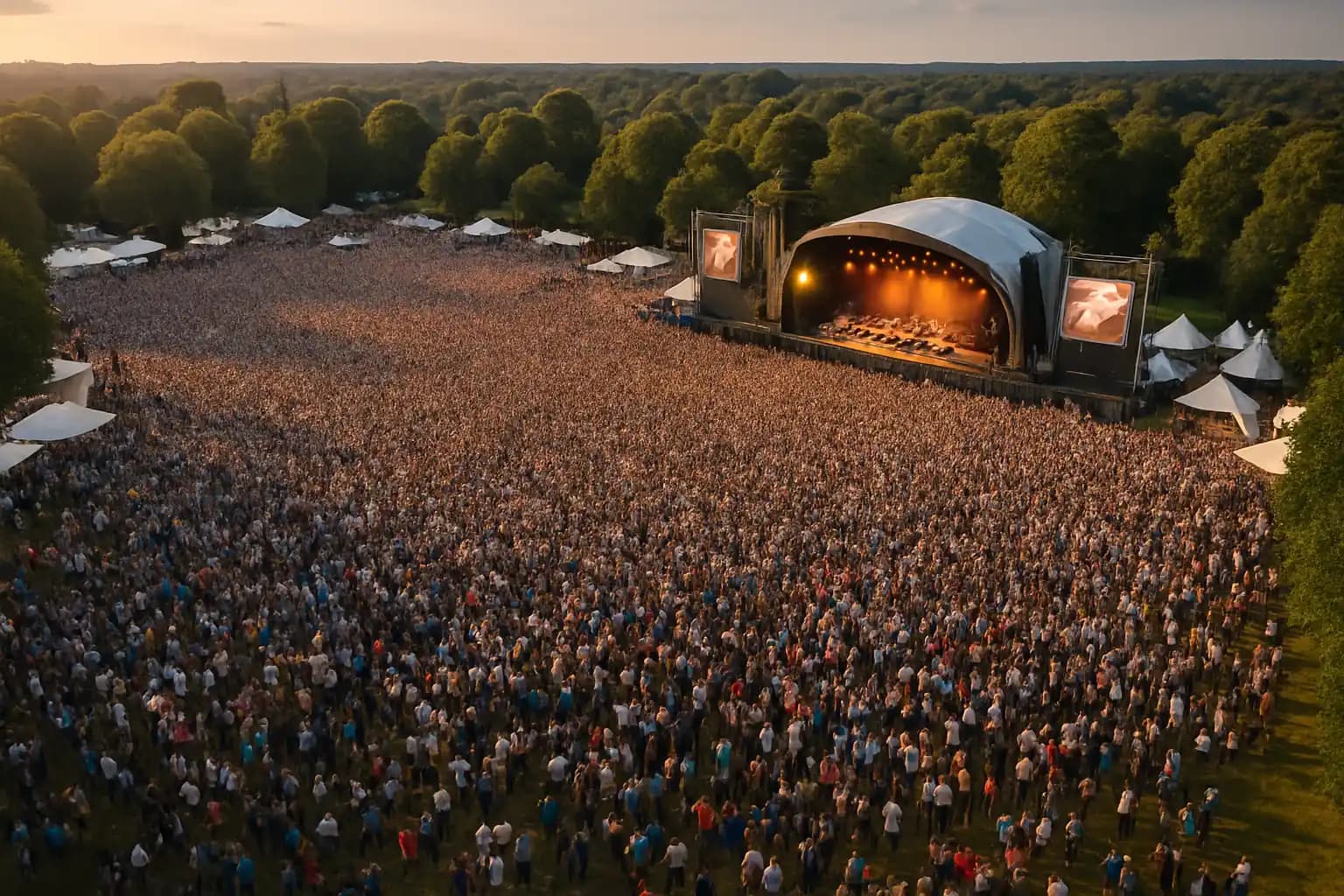
This year the BBC’s flagship music festival, Radio 2 in the Park, unfurls across three musical nights, from Friday 5 to Sunday 7 September, at Hylands Park in Chelmsford, Essex. Friday evening sparks off with a high-energy DJ party featuring Radio 2 hosts Vernon Kay, Scott Mills, Rylan, DJ Spoony and Michelle Visage. This pre-party, which debuted in Preston in 2024, sets the tone with upbeat playlists and radio personalities curating the soundscape. Saturday’s lineup brings a potent blend of classic and contemporary pop and rock. Canadian icon Bryan Adams, known for anthems like Summer of ’69 and Everything I Do, headlines the evening. The supporting roster includes Jessie J, Belinda Carlisle, Ronan Keating, Ella Henderson, Stereophonics, Kid Creole & The Coconuts, and Marti Pellow, which ensures a dynamic sequence of chart singalongs and crowd-pleasers. The festival concludes on Sunday with Def Leppard delivering their exclusive UK performance of 2025 as the headliner. Other standout acts include Anastacia, Soul II Soul, Suede, David Gray, Louise, and Sophie Ellis-Bextor, which offers a vivid range that spans soul, Britpop, singer-songwriter craft, and dance-pop. Throughout the weekend, performances go out live across BBC Radio 2, BBC Sounds and BBC iPlayer, so audiences nationwide can share the experience beyond the park gates.

thedailyesl funmoji Chelmsford, UK
thedailyesl funmoji Fri, 05 September 2025
thedailyesl funmoji Friday, 05 September 2025
thedailyesl funmoji Culture/Lifestyle
thedailyesl funmoji 3 - 4 minutes

Culture/Lifestyle - Everyday life, traditions, and cultural practices
There Is No Bride or Groom, but Everyone Is Invited!

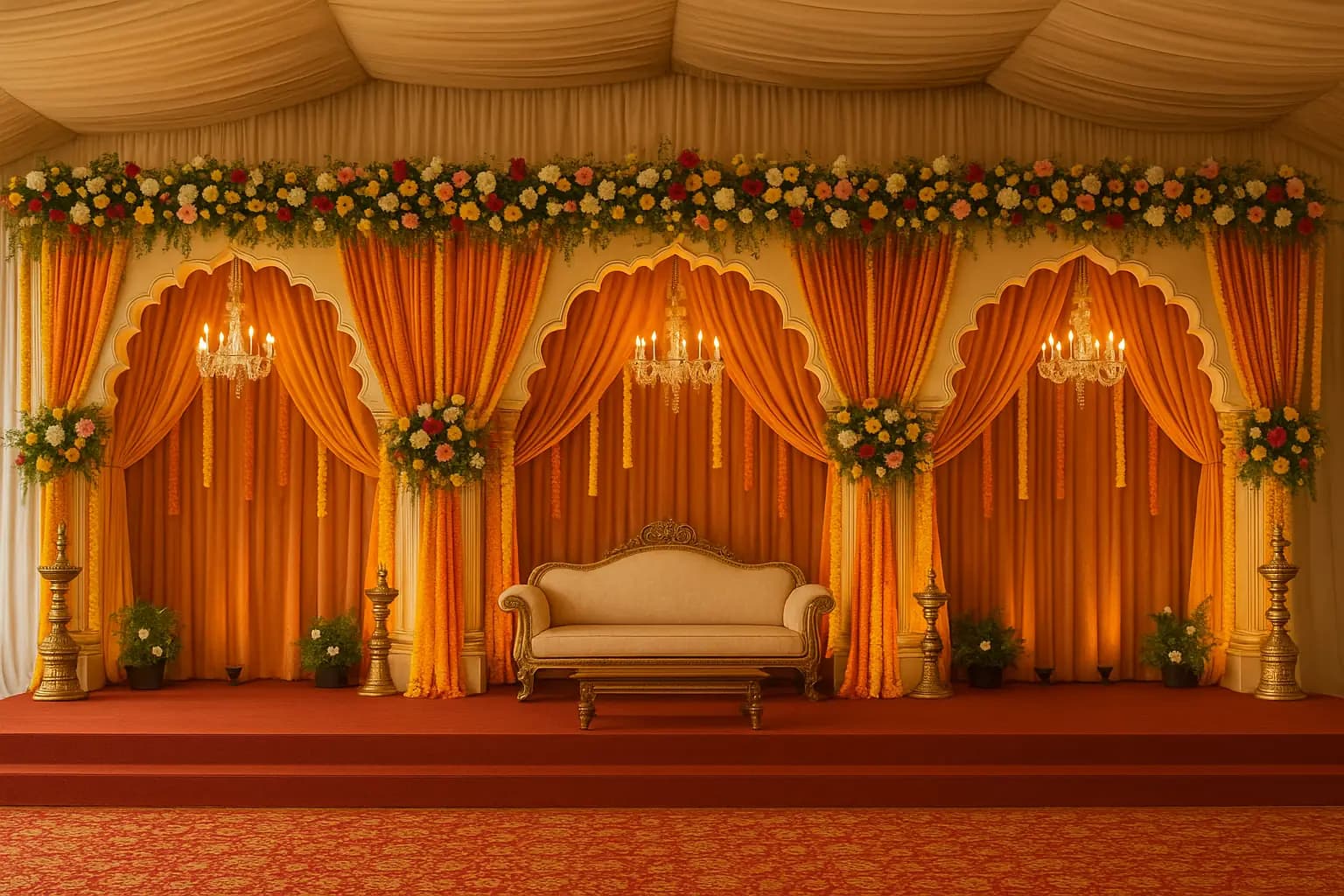
A curious new trend is sweeping through India’s nightlife: weddings without brides or grooms. Known as “fake weddings,” these events replicate the spectacle of traditional Indian marriages, complete with music, dancing, elaborate décor, and a staged ceremony, but no one actually ties the knot. Guests buy tickets, often paying the equivalent of hundreds of dollars, simply to enjoy the atmosphere. What began as a niche experiment in a few cities has quickly grown into a booming social phenomenon. The appeal lies in the chance to experience joy without obligation. Real weddings can be weighed down by family politics, social expectations, and enormous costs. Fake weddings, by contrast, offer all the colour and celebration without emotional or financial pressure. Young professionals, especially from Generation Z, say these events give them cultural nostalgia mixed with modern freedom. Organisers even choreograph baraat processions and varmala exchanges to heighten the sense of authenticity, although everyone knows it is only theatre. This wave of playful imitation is not limited to India alone. Similar parties have appeared in Frankfurt, New York, and university campuses abroad, marketed under slogans such as “No one’s getting married, but everyone’s invited.” International demand shows that the Indian wedding has become more than a private ritual; it is now a global entertainment format. While critics dismiss these gatherings as shallow or even disrespectful, their growing popularity suggests they tap into a genuine desire for community and shared festivity in an age of digital isolation. Whether seen as clever reinvention or simple escapism, fake weddings raise deeper questions about how societies celebrate. They illustrate a shift toward experience-driven culture, where people are willing to pay not for objects but for atmosphere and belonging. For many, the absence of a bride and groom is precisely what makes the event liberating. It is not the start of a marriage, but rather a performance of joy itself, proof that sometimes imitation can feel just as real as tradition.

thedailyesl funmoji India
thedailyesl funmoji Mon, 01 September 2025
thedailyesl funmoji Monday, 01 September 2025
thedailyesl funmoji Culture/Lifestyle
thedailyesl funmoji 3 - 4 minutes
Culture/Lifestyle - Everyday life, traditions, and cultural practices
Why Is the ‘Nimbus’ COVID Variant Spreading So Quickly?

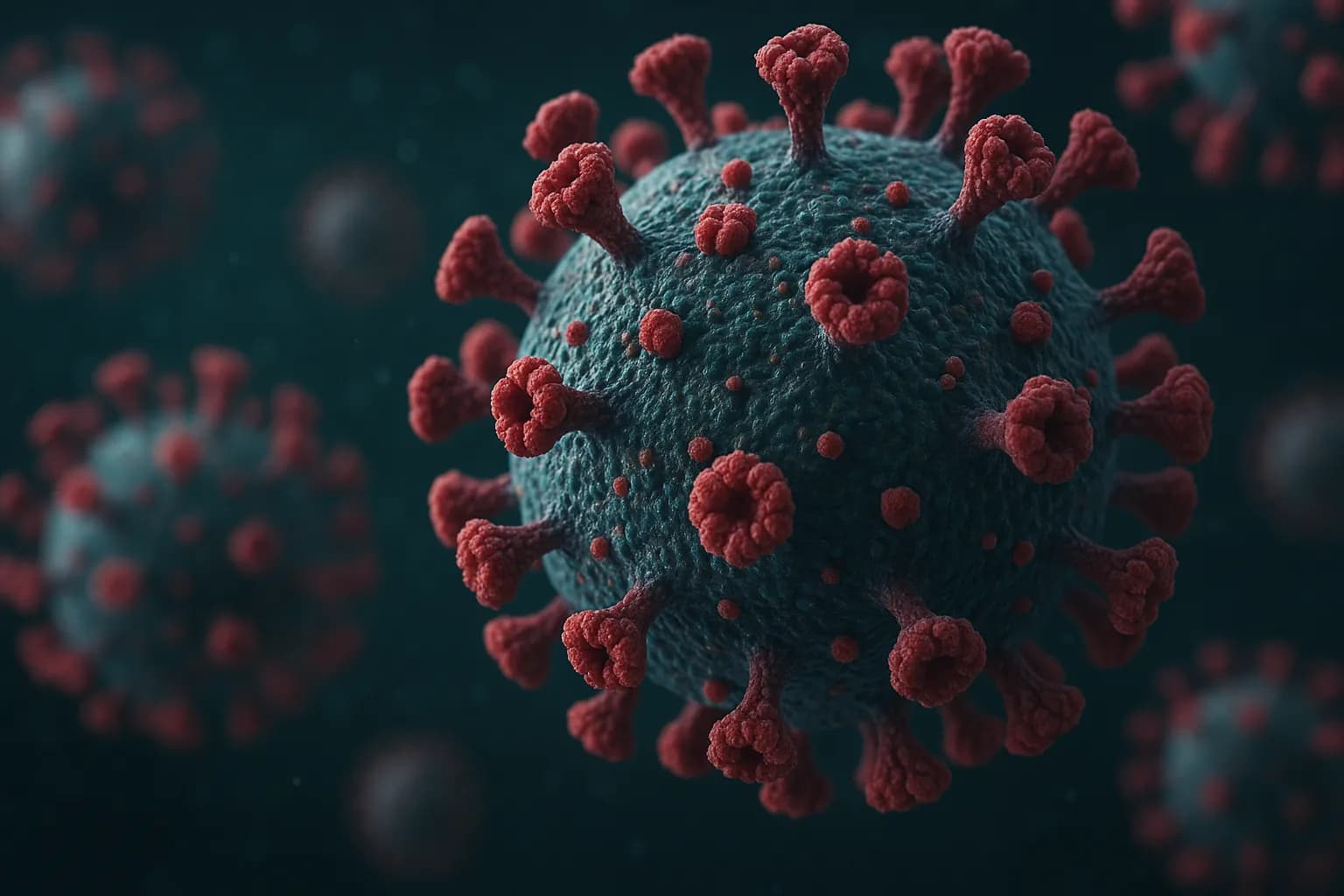
Health officials in the United States are warning about a new COVID-19 variant known as NB.1.8.1, or “Nimbus.” It is now responsible for more than forty percent of reported cases and has been detected in forty-five states. The nickname comes from the way patients often describe a thick, cloud-like pain in the throat. While it appears more transmissible than earlier strains, scientists say there is no clear evidence that it causes more severe illness or higher rates of hospitalisation. The Centers for Disease Control and Prevention (CDC) reports that most cases are mild to moderate, with symptoms including fever, cough, and severe sore throat. Another variant, called XFG or “Stratus,” has also emerged but remains far less common and is not considered a major public health threat. Experts stress that testing and genomic sequencing are critical for tracking how these variants evolve and spread within communities. Public health advice remains consistent. Vaccination and booster shots continue to provide strong protection against serious illness. Wearing a mask in crowded indoor spaces, improving ventilation, and staying home when feeling unwell can all help reduce transmission. The CDC encourages people to remain cautious, particularly in areas where case numbers are rising quickly, to avoid another period of uncontrolled community spread.

thedailyesl funmoji United States
thedailyesl funmoji Thu, 14 August 2025
thedailyesl funmoji Thursday, 14 August 2025
thedailyesl funmoji Health
thedailyesl funmoji 3 - 4 minutes
Health - Articles on physical and mental health, medicine, and wellness
::FUNMOJI:GUITAR:: When Music Meets Smoke: A Festival for All the Senses ::FUNMOJI:CHICKEN::
thedailyesl funmoji When Music Meets Smoke: A Festival for All the Senses thedailyesl funmoji

Manistee’s summer calendar has a highlight that locals and visitors alike mark in bold: the Beats & BBQ Fest. This free, open-air event blends the joy of live tribute performances with the irresistible aroma of slow-cooked barbecue. Tribute acts honouring legends like Tom Petty and Bob Seger fill the riverside air with familiar melodies, while the scent of hickory and spice drifts from rows of food stalls. Families, couples, and groups of friends gather with picnic blankets and folding chairs, turning the park into a temporary village of shared experiences. The festival is more than entertainment; it is a celebration of community identity. Local pitmasters take pride in their recipes, some passed down through generations, offering smoky pulled pork, tangy ribs, and vegetarian options for the growing number of plant-based eaters. Visitors chat easily with strangers while queueing for food, and musicians often mingle with the crowd between sets. The relaxed pace encourages people to linger, discovering new flavours or simply listening to a guitar solo stretch into the warm evening. Events like the Beats & BBQ Fest create a sense of connection that outlasts the final note or the last bite. They remind people that culture is not just found in grand theatres or fine dining rooms but also in open fields where music meets food under the sky. In a world where many spend more time looking at screens than at each other, the festival offers something increasingly rare: a space to be present, to share in the moment, and to savour both taste and sound in the company of others.

thedailyesl funmoji Manistee, United States
thedailyesl funmoji Fri, 08 August 2025
thedailyesl funmoji Friday, 08 August 2025
thedailyesl funmoji Local News
thedailyesl funmoji 3 - 4 minutes
Local News - Stories and updates from local communities
80 Years Since Hiroshima: A Warning from History

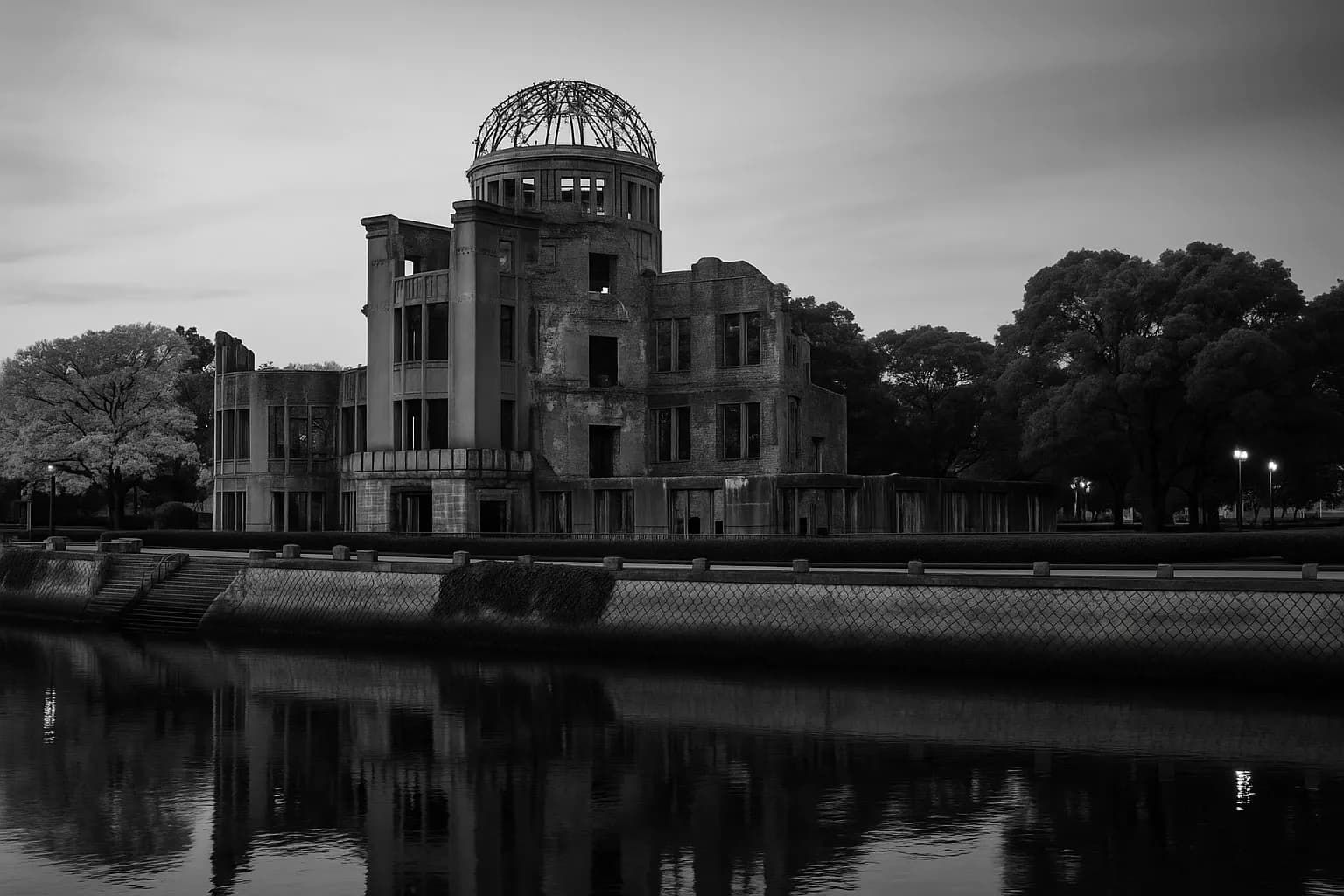
On August 6, 1945, the city of Hiroshima was devastated by the world’s first atomic bombing. Dropped by a US bomber near the end of World War II, the bomb killed tens of thousands instantly and left many more to suffer from radiation sickness, burns, and long-term health effects. In total, over 140,000 people died by the end of that year. Three days later, Nagasaki was bombed, and Japan soon surrendered, bringing the war to a close. But the world had changed forever. The bombing of Hiroshima marked the beginning of the nuclear age. What followed was a decades-long arms race, with countries building stockpiles of nuclear weapons capable of destroying entire cities in seconds. International treaties, disarmament efforts, and public pressure have all played roles in trying to reduce the threat. However, in recent years, concerns have grown again. As global tensions increase, nuclear powers have begun modernising their arsenals, and the language of nuclear threats has once again returned to international politics. Eighty years later, Hiroshima stands not only as a rebuilt city but as a symbol of both human resilience and the terrifying cost of nuclear warfare. Its peace museums, memorials, and commemorations serve as reminders of the dangers of these weapons. Yet the risk remains. As new technologies emerge and political alliances shift, the threat of nuclear conflict is far from over. The legacy of Hiroshima is not just a historical lesson, but an urgent call to prevent such destruction from happening again.

thedailyesl funmoji Hiroshima, Japan
thedailyesl funmoji Wed, 06 August 2025
thedailyesl funmoji Wednesday, 06 August 2025
thedailyesl funmoji History
thedailyesl funmoji 3 - 4 minutes
History - Events and figures from the past