



There Is No Bride or Groom, but Everyone Is Invited!
 India
India Mon, 01 September 2025 Monday, 01 September 2025
 Culture/Lifestyle
 3 - 4 minutes
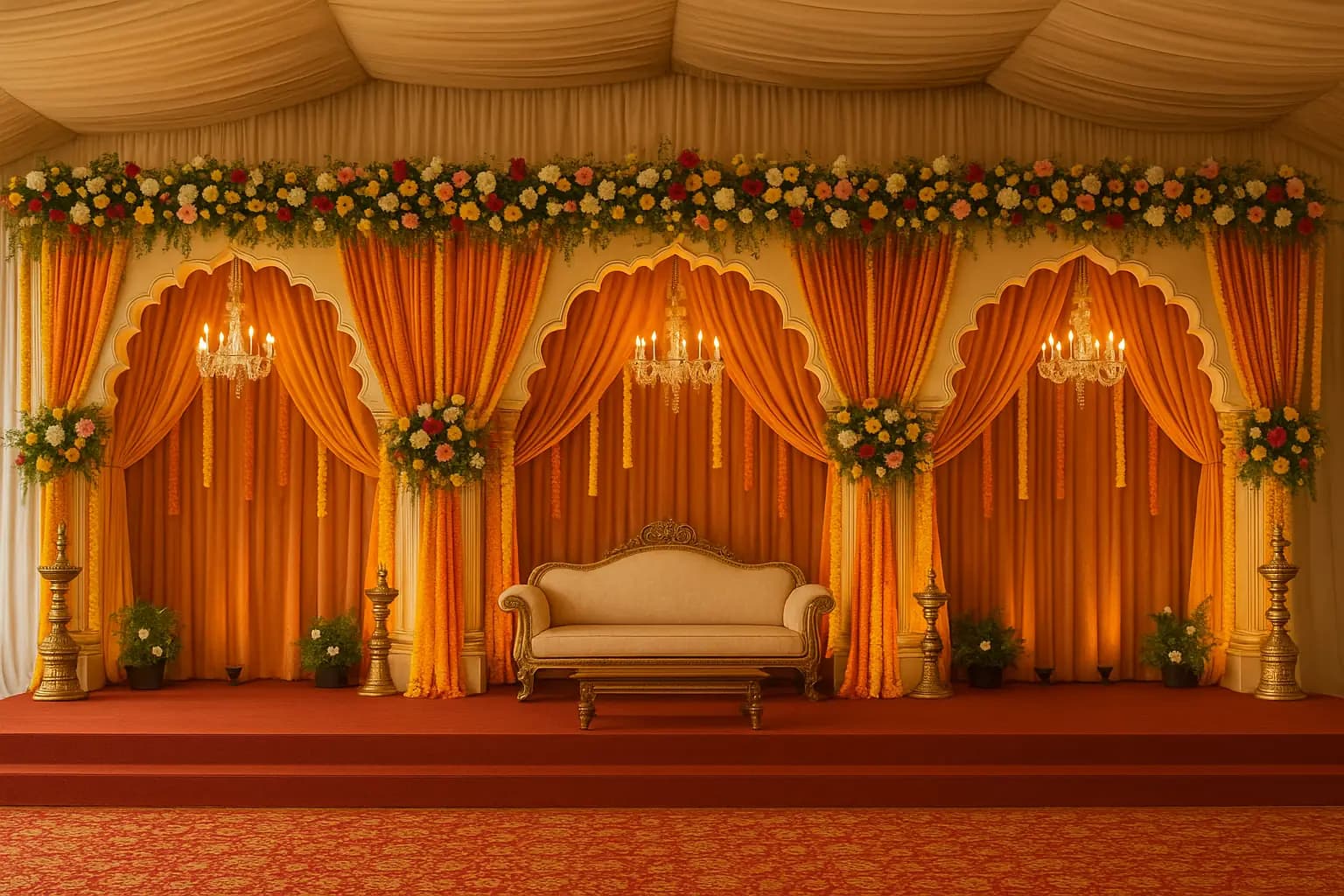
A curious new trend is sweeping through India’s nightlife: weddings without brides or grooms. Known as “fake weddings,” these events replicate the spectacle of traditional Indian marriages, complete with music, dancing, elaborate décor, and a staged ceremony, but no one actually ties the knot. Guests buy tickets, often paying the equivalent of hundreds of dollars, simply to enjoy the atmosphere. What began as a niche experiment in a few cities has quickly grown into a booming social phenomenon.
The appeal lies in the chance to experience joy without obligation. Real weddings can be weighed down by family politics, social expectations, and enormous costs. Fake weddings, by contrast, offer all the colour and celebration without emotional or financial pressure. Young professionals, especially from Generation Z, say these events give them cultural nostalgia mixed with modern freedom. Organisers even choreograph baraat processions and varmala exchanges to heighten the sense of authenticity, although everyone knows it is only theatre.
This wave of playful imitation is not limited to India alone. Similar parties have appeared in Frankfurt, New York, and university campuses abroad, marketed under slogans such as “No one’s getting married, but everyone’s invited.” International demand shows that the Indian wedding has become more than a private ritual; it is now a global entertainment format. While critics dismiss these gatherings as shallow or even disrespectful, their growing popularity suggests they tap into a genuine desire for community and shared festivity in an age of digital isolation.
Whether seen as clever reinvention or simple escapism, fake weddings raise deeper questions about how societies celebrate. They illustrate a shift toward experience-driven culture, where people are willing to pay not for objects but for atmosphere and belonging. For many, the absence of a bride and groom is precisely what makes the event liberating. It is not the start of a marriage, but rather a performance of joy itself, proof that sometimes imitation can feel just as real as tradition.