


What’s Happening in the Sky This August?
 Worldwide
 Sun, 03 August 2025 Sunday, 03 August 2025
 World News
 3 - 4 minutes
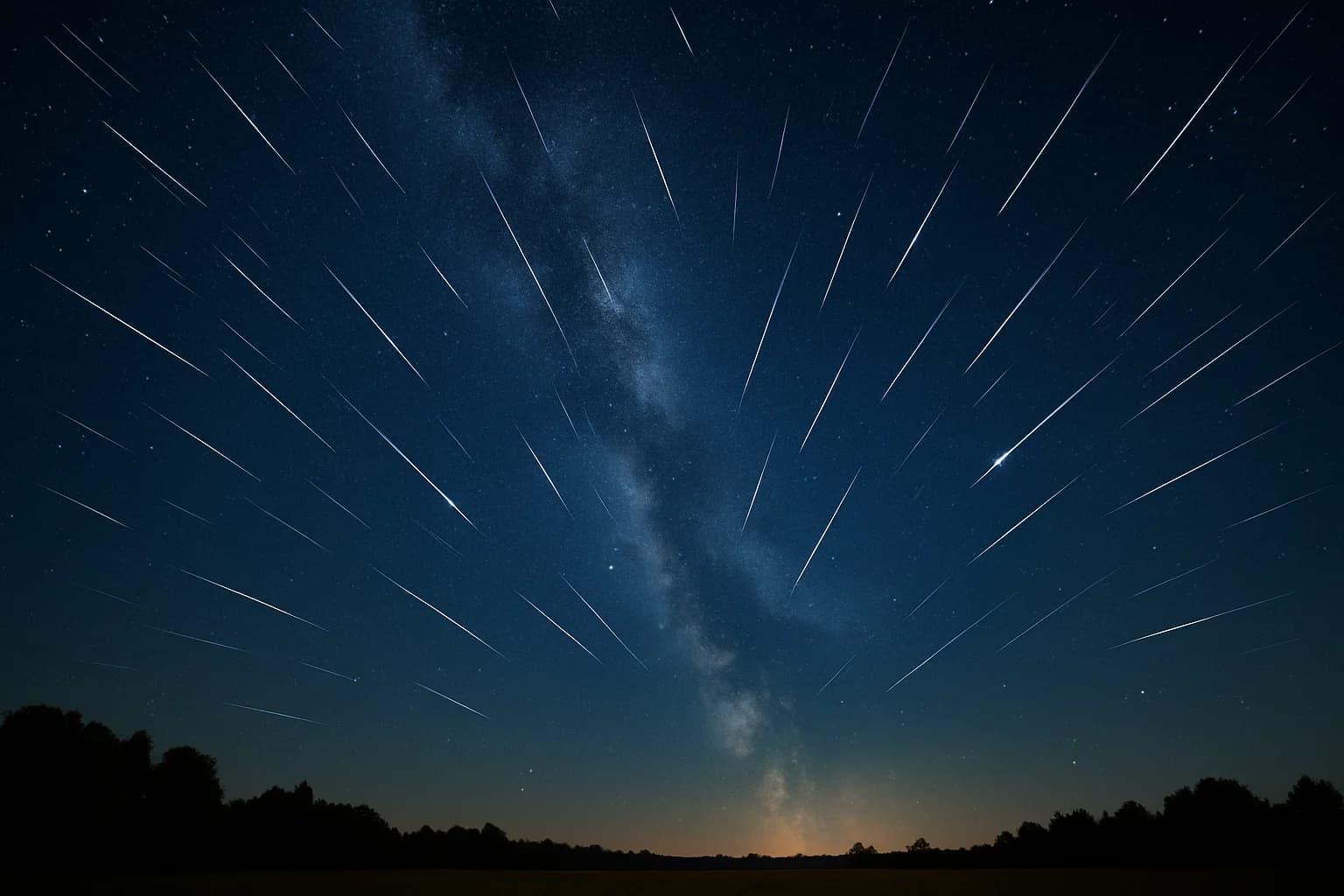
Each August, skywatchers are treated to a natural spectacle: the Perseids meteor shower. Known for its bright, fast-moving meteors and occasional fireballs, the Perseids originate from debris left by Comet Swift–Tuttle, which orbits the sun every 133 years. As Earth passes through this trail of dust and rock, particles burn up in the atmosphere and create streaks of light across the night sky. In 2025, the shower is expected to peak between the night of August 11 and the early hours of August 12, with up to 100 meteors visible per hour under ideal conditions.
What makes the Perseids so popular is not just the volume of meteors. It is also their accessibility. Unlike some astronomical events that require telescopes or special equipment, the Perseids can be enjoyed with the naked eye. The key is to find a dark location away from city lights and allow your eyes time to adjust. No technical knowledge is needed. All you need is patience and a clear sky. This year, the waning crescent moon will provide relatively dark conditions, which should make the display even more impressive for viewers in both the Northern Hemisphere and parts of the Southern Hemisphere.
Beyond their beauty, meteor showers like the Perseids connect us to something ancient and ongoing. Civilisations throughout history have watched these “falling stars” with awe, sometimes interpreting them as omens or messages. Today, they serve as a reminder of our planet’s place in a dynamic and ever-changing solar system. Whether you are an amateur stargazer or simply curious, stepping outside to watch the Perseids offers a rare chance to experience the quiet grandeur of the universe, one meteor at a time.

This article has
no video, yet!