


India's Exam Uprising: Students Fight for Fairness
 India
India Fri, 01 August 2025 Friday, 01 August 2025
 Education
 3 - 4 minutes
Thousands of students and teachers have taken to the streets across India this week to protest against serious issues in the Staff Selection Commission (SSC) Phase 13 exams, which ran from July 24 to August 1, 2025. The situation has become a national controversy, trending widely on social media under the hashtag #SSCMisManagement.
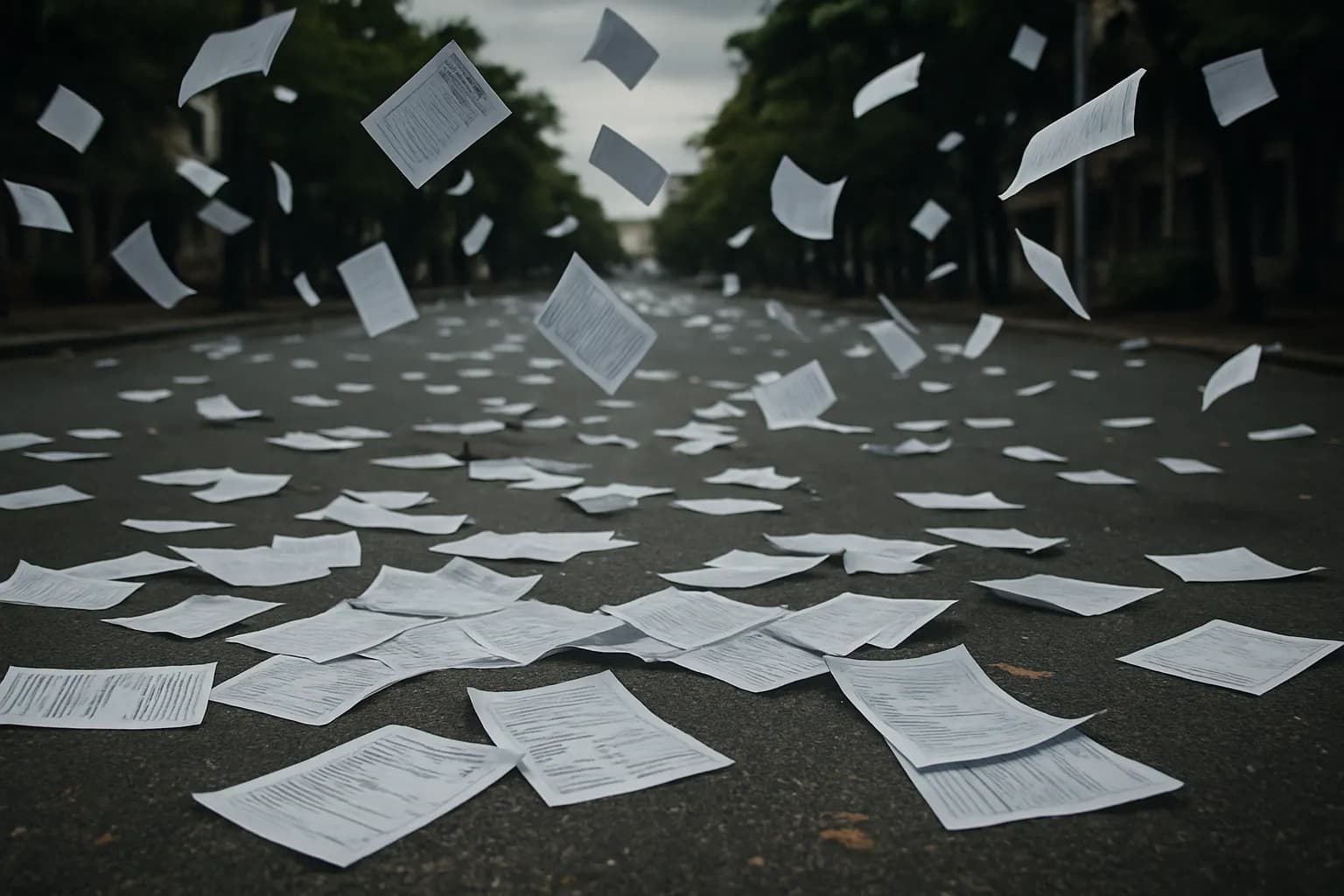
The protests were sparked by last-minute exam cancellations, changes in exam centres, and long-standing complaints about administrative mismanagement. Many students reported that they were notified of schedule changes only hours before their exams, leaving them confused, frustrated, and in some cases, unable to attend. Videos showing angry crowds outside exam halls and teachers joining protests quickly went viral, intensifying public pressure on authorities.
The largest demonstrations took place in Delhi at Jantar Mantar and CGO Complex, where police reportedly used batons to disperse protesters. Some well-known educators, including YouTube-based teacher Neetu Singh, joined the movement and called for accountability. Protesters are demanding a full investigation into the SSC's handling of the recruitment process and assurance that future exams will be transparent and better managed.
Although the SSC has yet to issue a full statement, some officials have blamed technical glitches and logistical errors for the chaos. Critics argue that these explanations are not sufficient, especially considering the high stakes involved. Government exams like SSC determine access to stable, long-term employment—a goal many Indian students work towards for years.
This episode has once again raised deeper questions about the fairness, reliability, and digital preparedness of India's public examination system. As one protester told reporters, “We are not just fighting for one exam. We are fighting for our future.”

This article has
no video, yet!